|
Sách hiếm - cho đến khi được phổ biến ở các nơi mà "thánh kinh" có mặt. | |||||||||
|

|
| |||||||||
|
Tìm chữ | |||||||||
|
| |||||||||
|
| |||||||||
|
Chủ Trương | |||||||||
| Các đề mục : | |||||||||
» Lưu Trữ Theo Ngày Tháng | |||||||||
| » Các bài về Cải Đạo | |||||||||
| » Các Truyền Nhân Của Chúng Tôi | |||||||||
| » Chữ Quốc Ngữ | |||||||||
| » Hồ sơ CIA giải mật | |||||||||
| » Lạm dụng tình dục | |||||||||
| » GHLM: Lịch Sử và Hồ Sơ Tội Ác | |||||||||
| » Vài Danh Sách Cừu Đen | |||||||||
| » Ý Thức Văn Thân Thế Kỷ 21 | |||||||||
|
| |||||||||
| Các tác giả: | |||||||||
| Bùi Kha | |||||||||
| Charlie Nguyễn | |||||||||
| Hoàng Nguyên Nhuận | |||||||||
| Hoành Linh Đỗ Mậu | |||||||||
| Lý Thái Xuân | |||||||||
| Nguyễn Đắc Xuân | |||||||||
| Nguyễn Mạnh Quang | |||||||||
| Nguyễn Văn Thịnh | |||||||||
| Nguyễn Văn Thọ | |||||||||
| Thiên Lôi | |||||||||
| Trần Chung Ngọc | |||||||||
| Trần Tiên Long | |||||||||
| Trần Trọng Sỹ | |||||||||
| Các tác giả thân hữu | |||||||||
| |||||||||
| |||||||||
|
| |||||||||
|
Các trang bạn | |||||||||
|
▬ Các kênh Youtubes: ▬ Các Facebooks: ▬ Các websites: | |||||||||
|
Bây giờ người Mỹ mới nhận ra thiên tài của Việt Nam thì hơi muộn
Subject: ***_Người_Mỹ_nhận_ra _thiên_tài_Việt_Nam_!
From: Việt Dân
Date: Sat, November 18, 2017 8:02 am
Bây giờ người Mỹ mới nhận ra thiên tài của Việt Nam thì quá muộn !
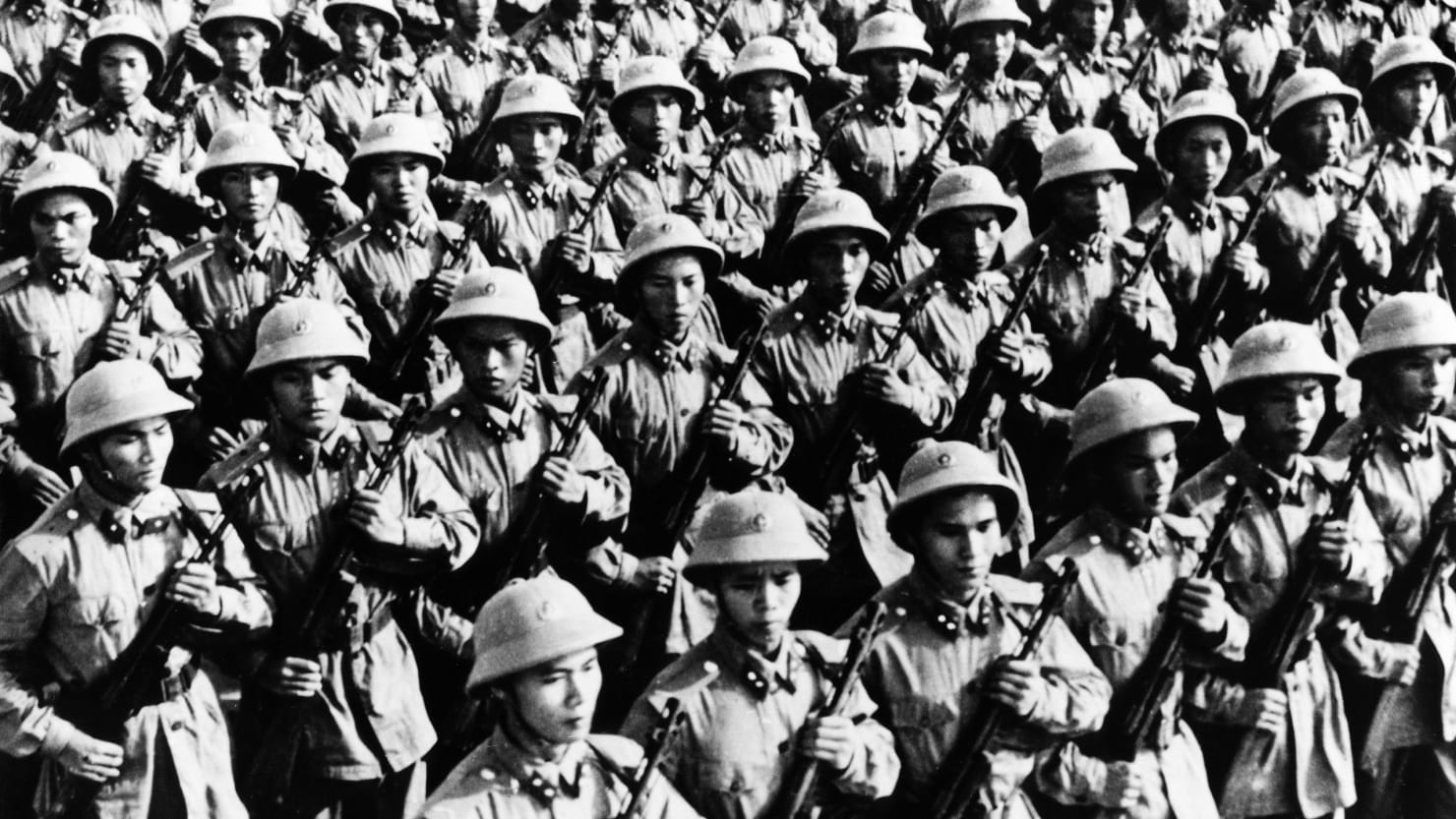
Việt Nam kỳ này đánh giặc ngoại xâm 1946-1975 bằng cả thiên tài chính trị và quân sự - (không phải hễ có chính nghĩa thì tất nhiên phải thắng ...)
Thiên tài tổng thể chiến lược - chính trị lẫn quân sự -
đứng đầu là cụ Hồ .
Dưới đó là nhân tài chính trị Lê Duẩn, người phụ trách chiến lược giải phóng miền Nam, giữ vững chủ quyền đối với phương Bắc, và chỉ đạo chớp thời cơ thống nhất đất nước 1975 - không để cho bọn nước lớn kịp trở tay, phá bĩnh, ngăn cản !
Tổng thể chiến lược chiến tranh toàn quốc là do thiên tài quân sự Võ Nguyên Giáp .
Cả 3 nhân vật này đều bị việt gian bôi nhọ
- *** điều này càng làm rõ tầm quan trọng quyết định của họ .***
Người Mỹ đã công tâm phán xét lịch sử của Mỹ tại Việt Nam và công nhận thiên tài chiến lược của dân ta.
Còn người Việt thì sao ...?
xông lên đạp đổ ngụy quyền
cút giặc về nước, nối liền giang san
lịch sử kia, chớ ngụy bàn ;
đời đời truyền tụng : ngút ngàn oai linh !
sao đành chối (chính) nghĩa dân mình ?
đứng lên đuổi giặc - chứng minh : tội gì ?
Việt Dân
https://www.thedailybeast.com/the-genius-of-north-vietnams-war-strategy
The Genius of North Vietnam's War Strategy
The most admirable thing about this fall's PBS series on the Vietnam War is the way in which it forces American ...
The most admirable thing about this fall's PBS series on the Vietnam War is the way in which it forces American audiences to confront the genius of North Vietnam's strategy.
James A. Warren
11.18.17 12:00 AM ET
It isn’t every day that David defeats Goliath. That Hanoi was able to frustrate America’s designs for South Vietnam for so long, and ultimately force the United States to withdraw, has to go down as one of the most astonishing feats in the history of warfare. How, then, can we understand this extraordinary event?
A good place to start is with the recognition that Hanoi’s strategists never imagined they could force an end to America’s involvement through battlefield victories, despite their rhetoric to the contrary. They could not hope to match the Americans’ military power. But they believed—correctly—that they were more than a match for the Americans and their allies in the realms of political power and organizational skill. In a civil war (?, civil war ? a civil war against American war machines and its slave troops - foreign and domestic ? nth-fl) between people who had suffered from a century of colonial exploitation, political power—or as the communist propagandists used to say, “the power of the masses, directed by the party”—proved far more effective that the conventional military strength the Americans brought to bear against it.
Hanoi “dismissed the assumption that the principal and primary means test of success must be military combat,” observes former State Department officer Douglas Pike, one of the most perceptive American students of the revolutionary forces in Vietnam. “They realized . . . that it might be possible to achieve a change of war venue and determine its outcome away from the battlefield.”
The communists’ primary assets in their long war against the United States were, first, a distinctly Vietnamese variant of Mao’s highly flexible protracted war strategy, designed to wear down the American people’s will to fight, even as it permitted the buildup of a powerful conventional army in North Vietnam. The second asset was a remarkably dynamic and cohesive political organization within South Vietnam that exploited the many vulnerabilities of the U.S.-South Vietnamese partnership. That organization, the National Liberation Front, enjoyed wide support among the rural peasantry that comprised about 90 percent of South Vietnam’s population of 16 million.
Finally, the communists possessed—in historian Jeffery Record’s phrase—“a superior strategic grasp of the political and social dimensions of the struggle.” It could well be said, in fact, that the Americans were not so much out-fought in Vietnam as out-thought. As the commander in chief of communist military forces Vo Nguyen Giap often remarked, American military forces were superior to his own by virtually every measure, but the Americans’ strategic assessments of the nature of the war, of their own strengths and weaknesses and those of their adversaries, were markedly inferior to those of the Hanoi and the southern insurgency in directed from afar.
...
______________
https://www.youtube.com/watch?v=g9LPJmprMy8
Sông Lô - NSND Quý Dương và dàn hợp xướng
Trang Fanpage của NSND Quý Dương: https://www.facebook.com/nsndquyduong
| Đó đây |
|
2026-10-11 - Toàn cảnh vụ thảm án khiến ba mẹ con tử vong ở Đồng Nai - Sau khi chia tay, Nguyễn Đức Anh mang dao tìm đến nhà người yêu cũ để trả thù. Không vào được nhà, Đức Anh trèo sang tấn công gia đình hàng xóm khiến 3 người tử vong, 1 người bị thương nặng.
2026-10-10 - Chào mừng giải phóng Thủ đô: Đại tiệc pháo hoa nghệ thuật và trải nghiệm đỉnh cao - Hướng tới kỷ niệm 72 năm Ngày Giải phóng Thủ đô (10/10/1954 – 10/10/2026), Hà Nội sẽ trở thành tâm điểm rực rỡ với chuỗi hoạt động văn hóa, nghệ thuật, thể thao và du lịch quy mô lớn.
2026-10-10 - Mãn nhãn với màn pháo hoa lộng lẫy mừng 72 năm Giải phóng Thủ đô - Pháo hoa rực rỡ sắc màu đã thắp sáng bầu trời Hà Nội trong đêm 10/10, thu hút đông đảo người dân tới chiêm ngưỡng.
2026-10-10 - Trump trừng phạt Tòa Hình Sự Quốc Tế sau khi cựu chánh án đoạt Nobel Hòa Bình - Ngoại Trưởng Marco Rubio tuyên bố Mỹ sẽ ngăn cấm giao dịch với ICC, cắt nguồn lực và hạn chế khả năng hoạt động của tòa nhằm bảo vệ công dân Mỹ trước những cuộc truy tố
2026-10-06 - Nữ tử tù sống lại sau 2 lần tiêm thuốc độc: Tiếng ngáy khiến cả nhà tù hỗn loạn - 2026-10-03 - Một thảm họa hàng không xém đã xảy ra vì "cơ phó" được nhận xét là cuồng tín - Cơ phó người Oman của hãng hàng không Flydubai đã dùng hung khí tấn công cơ trưởng nhằm giành quyền kiểm soát buồng lái khi đang trong chuyến bay sáng 30/9 từ Dubai, (UAE) đến Tel Aviv, Israel.
2026-10-03 - Giờ mới biết cô Linh Trần là ai! - 2026-10-03 - Biểu tình Linh Trần, Cờ vàng thất thủ. Ai đã xúc phạm Cờ đỏ? - 2026-09-29 - Khởi tố 3 đối tượng là thành viên của tổ chức khủng bố "Việt Tân" - Tối 28/9, Bộ Công an cho biết vào hồi 21 giờ 50 phút ngày 18/9/2026, Đồn Biên phòng cửa khẩu Mỹ Quý Tây, tỉnh Tây Ninh phát hiện, bắt quả tang 3 đối tượng đang nhập cảnh trái phép vào Việt Nam từ biên giới Campuchia 2026-09-20 - Đại Biểu Quốc Hội Thẳng Thắn Đạt Vấn Đề Chi Tiết Về Sách Giáo Khoa -
|

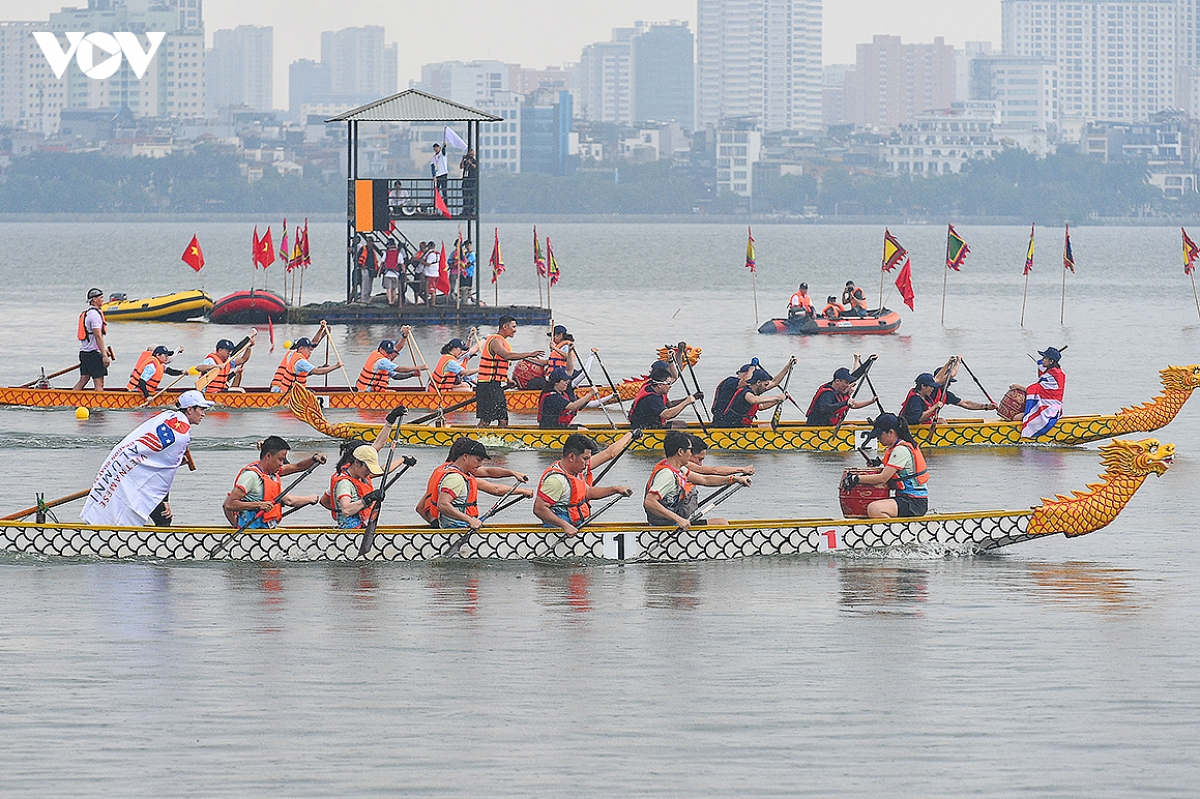 Điểm nhấn được chờ đợi là màn trình diễn pháo hoa nghệ thuật tầm cao kết hợp âm nhạc bùng nổ vào đêm 10/10
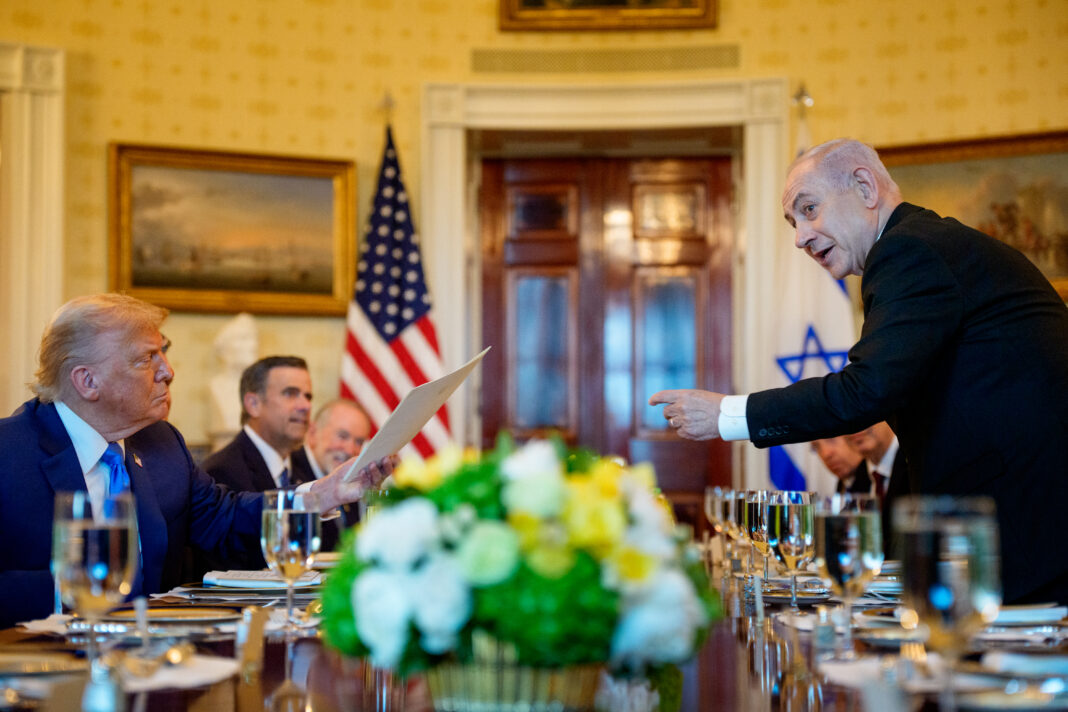 Thủ Tướng Benjamin Netanyahu (phải) của Israel trao cho Tổng Thống Donald Trump lá thư mà ông gửi tới Ủy Ban Giải Nobel Hòa bình để đề cử ông Trump cho giải thưởng này tại Toà Bạch Ốc vào Tháng Bảy, 2025.
 "Hành vi của anh ta rất kỳ lạ. Anh ta hay thực hiện các nghi lễ tôn giáo không giống ai tại chỗ làm, cầu nguyện suốt ngày và từ chối bắt tay với phụ nữ".
Trang Sách Hiếm
| ©2012 |