|
Sách hiếm - cho đến khi được phổ biến ở các nơi mà "thánh kinh" có mặt. | |||||||||
|

|
| |||||||||
|
Tìm chữ | |||||||||
|
| |||||||||
|
| |||||||||
|
Chủ Trương | |||||||||
| Các đề mục : | |||||||||
» Lưu Trữ Theo Ngày Tháng | |||||||||
| » Các bài về Cải Đạo | |||||||||
| » Các Truyền Nhân Của Chúng Tôi | |||||||||
| » Chữ Quốc Ngữ | |||||||||
| » Hồ sơ CIA giải mật | |||||||||
| » Lạm dụng tình dục | |||||||||
| » GHLM: Lịch Sử và Hồ Sơ Tội Ác | |||||||||
| » Vài Danh Sách Cừu Đen | |||||||||
| » Ý Thức Văn Thân Thế Kỷ 21 | |||||||||
|
| |||||||||
| Các tác giả: | |||||||||
| Bùi Kha | |||||||||
| Charlie Nguyễn | |||||||||
| Hoàng Nguyên Nhuận | |||||||||
| Hoành Linh Đỗ Mậu | |||||||||
| Lý Thái Xuân | |||||||||
| Nguyễn Đắc Xuân | |||||||||
| Nguyễn Mạnh Quang | |||||||||
| Nguyễn Văn Thịnh | |||||||||
| Nguyễn Văn Thọ | |||||||||
| Thiên Lôi | |||||||||
| Trần Chung Ngọc | |||||||||
| Trần Tiên Long | |||||||||
| Trần Trọng Sỹ | |||||||||
| Các tác giả thân hữu | |||||||||
| |||||||||
| |||||||||
|
| |||||||||
|
Các trang bạn | |||||||||
|
▬ Các kênh Youtubes: ▬ Các Facebooks: ▬ Các websites: | |||||||||
|
Nhờ luật thuế năm 2018 của Trump, 91 công ty có lợi nhuận (danh sách Fortune 500) đã trả 0 tiền thuế
Subject: BẰNG_CHỨNG_: nư ớc_Mỹ_cho phép_Đ ẠI GIA TRỐN THUẾ_bằng luật_pháp
From: Mike Wilson
Date: Tue, December 17, 2019 6:01 am
Trong nền dân chủ đại biểu của Mỹ, khi đồng tiền được phép "mua" những kẻ được dân bầu thì luật pháp bị lũng đoạn để phục vụ giai cấp có nhiều tiền nhất
Ngay cả các đại công ty cũng được Tòa Tối Cao ban cho tư cách pháp nhân như một công dân ĐỂ DÙNG TIỀN MUA CHUỘC CHÍNH TRỊ !!!
Nhờ đó cả hệ thống kinh tế và pháp luật bị cài đặt (rigged) để phục vụ quyền lợi giai cấp trên quyền lợi của nhân dân và lợi ích quốc gia
nth-fl
________________
91 profitable Fortune 500 companies paid $0 in taxes in 2018 under Trump's tax law
Kristin Myers
Under the Tax Cuts and Jobs Act, 91 profitable Fortune 500 companies paid $0 in taxes on U.S. income in 2018, according to a new report from the Institute on Taxation and Economic Policy (ITEP). Across all 379 profitable companies in the Fortune 500 the effective tax rate was just 11.3%, just over half the 21% tax rate under the law.
Corporate Tax Avoidance in the First Year of the Trump Tax Law
Profitable Fortune 500 companies avoided $73.9 billion in taxes under the first year of the Trump-GOP tax law. T...
“In 2018, the 379 companies earned $765 billion in pretax profits in the United States,” the report noted. “Had all of those profits been reported to the IRS and taxed at the statutory 21% corporate tax rate, the 379 companies would have paid almost $161 billion in income taxes in 2018.”
Instead, the companies only paid $86.8 billion, roughly 54% of what they owed.
A "pernicious effect"
But how?
Matthew Gardner, senior fellow at ITEP and lead author of the report, says that what companies doing is “entirely legal” — but that they can avoid paying taxes thanks to tax breaks.
“A whole host of tax breaks in the code collectively have this pernicious effect,” Gardner said. But he added, though legal, “this doesn’t exonerate these companies from wrongdoing.”
“What we are seeing is a product of the actions of Congress, aided and abetted by corporate lobbyists,” he explained. “This is the predictable consequence of creating tax breaks for any activity you can think of.”
This trend is supported by data from the IRS. in 2018 — the first year the TCJA was in effect — the Treasury Department collected $91 billion less than it did in 2017.
In 2017, the IRS collected over $338.5 billion in income taxes (before refunds) from businesses. That number dropped by 22% to about $262.7 billion for fiscal year 2018. In comparison, in FY 2016, income taxes collected from corporations was on par with 2017, at $345.6 billion.
The 2018 figures represent the lowest amount Treasury has collected from business in nearly a decade; in 2011 the IRS pulled in $242.8 billion from corporations’ income tax.
“It’s a very old problem,” said Gardner.
Gardner says that since ITEP started tracking effective tax rates in 1982, “we’ve never seen an effective tax rate as low as the one we just found.”
“From that perspective, it seems like there’s never been a time in the modern era when companies have been so successful in avoiding corporate taxes,” he explained.
Several of the 91 companies that have avoided paying federal income tax in 2018, according to the Institute on Taxation and Economic Policy.
Gardner cautions that this is the first year of data under the new tax regime; it will take years to see if TCJA allows more and more companies to avoid paying taxes.
Still, that’s five times the number of companies that avoided paying corporate taxes on average from 2008 to 2015. During that period, 18 companies managed to pay 0% or less (with their total average effective tax rate over 8 years being roughly -4%).
“We did not make it better,” Gardner said. “Whether it got made worse remains to be seen. But Congress doesn’t seem to have done anything to meaningfully repair the problem.”
Increasing refunds
Companies are not only paying less in tax; the government is also giving more tax breaks.
Last year, the IRS refunded businesses $60 billion for a net total of $202.7 billion collected from corporations. In 2017, the refund figure totaled roughly $45 billion for a net collection of $293.6 billion.
According to ITEP, tax subsidies for the 379 companies totaled $73.9 billion with half of the total tax-subsidy dollars — a total of $37.1 billion — going to just 25 companies. ITEP’s research finds that each of those companies had more than $650 million in tax breaks last year.
“Bank of America topped the list of corporate tax-subsidy recipients with more than $5.5 billion in tax subsidies in 2018,” the report stated. “Other top tax subsidy recipients included J.P.Morgan Chase ($3.7 billion), Wells Fargo ($3.2 billion), Amazon ($2.4 billion), and Verizon ($1.7 billion).” Verizon is the parent company of Yahoo Finance.
Proponents of the tax law said that it would increase corporate investment in the economy, spurring growth.
And while capital expenditures did grow at the fastest pace in 25 years in 2018, share buybacks among publicly-traded companies have also gotten to the $1 trillion level, according to Goldman Sachs. S&P 500 companies bought back $833 billion in stock in 2018, the firm said.
“Public companies will repurchase shares (or pay out dividends) with excess cash when they feel investing for growth and financing M&A don’t offer attractive returns for the risk,” Yahoo Finance’s Sam Ro explained. “It’s a controversial and often politicized use of cash since it’s considered a less productive option that enriches shareholders.”
Furthermore, declining tax revenue has only widened deficits, as national debt has ballooned up over $23 trillion.
But while companies were able to avoid paying taxes thanks to the new Republican tax law, the IRS pulled in roughly $2 trillion from individual tax returns, a leap of nearly $100 billion from the amount collected in 2017.
While the majority of Americans did get a tax cut, many bemoaned receiving smaller-than-anticipated refunds or even being hit with a “surprise” tax bill.
Several of the 91 companies that have avoided paying federal income tax in 2018, according to the Institute on Taxation and Economic Policy.
| Đó đây |
|
2026-10-19 - NÓNG 19-10-26: ĐÃ ĐẾN LÚC DỪNG CÂU CHUYỆN CỦA HOÀNG DUY HÙNG LẠI NẾU KHÔNG HẬU QUẢ KHÔN LƯỜNG - 2026-10-19 - Chúa trên thập tự ngã xuống đập vào đầu 1 linh mục đang làm lễ - LM Công giáo Patricio Alfredo Sánchez Molinari đã tử vong vào thứ Bảy, ngày 18 tháng 10 năm 2026, khi một cây thánh giá bằng gỗ lớn đổ ập vào đầu ngài trong một buổi Thánh lễ được phát trực tuyến 2026-10-11 - Toàn cảnh vụ thảm án khiến ba mẹ con tử vong ở Đồng Nai - Sau khi chia tay, Nguyễn Đức Anh mang dao tìm đến nhà người yêu cũ để trả thù. Không vào được nhà, Đức Anh trèo sang tấn công gia đình hàng xóm khiến 3 người tử vong, 1 người bị thương nặng.
2026-10-10 - Chào mừng giải phóng Thủ đô: Đại tiệc pháo hoa nghệ thuật và trải nghiệm đỉnh cao - Hướng tới kỷ niệm 72 năm Ngày Giải phóng Thủ đô (10/10/1954 – 10/10/2026), Hà Nội sẽ trở thành tâm điểm rực rỡ với chuỗi hoạt động văn hóa, nghệ thuật, thể thao và du lịch quy mô lớn.
2026-10-10 - Mãn nhãn với màn pháo hoa lộng lẫy mừng 72 năm Giải phóng Thủ đô - Pháo hoa rực rỡ sắc màu đã thắp sáng bầu trời Hà Nội trong đêm 10/10, thu hút đông đảo người dân tới chiêm ngưỡng.
2026-10-10 - Trump trừng phạt Tòa Hình Sự Quốc Tế sau khi cựu chánh án đoạt Nobel Hòa Bình - Ngoại Trưởng Marco Rubio tuyên bố Mỹ sẽ ngăn cấm giao dịch với ICC, cắt nguồn lực và hạn chế khả năng hoạt động của tòa nhằm bảo vệ công dân Mỹ trước những cuộc truy tố
2026-10-06 - Nữ tử tù sống lại sau 2 lần tiêm thuốc độc: Tiếng ngáy khiến cả nhà tù hỗn loạn - 2026-10-03 - Một thảm họa hàng không xém đã xảy ra vì "cơ phó" được nhận xét là cuồng tín - Cơ phó người Oman của hãng hàng không Flydubai đã dùng hung khí tấn công cơ trưởng nhằm giành quyền kiểm soát buồng lái khi đang trong chuyến bay sáng 30/9 từ Dubai, (UAE) đến Tel Aviv, Israel.
2026-10-03 - Giờ mới biết cô Linh Trần là ai! - 2026-10-03 - Biểu tình Linh Trần, Cờ vàng thất thủ. Ai đã xúc phạm Cờ đỏ? -
|

 Điểm nhấn được chờ đợi là màn trình diễn pháo hoa nghệ thuật tầm cao kết hợp âm nhạc bùng nổ vào đêm 10/10
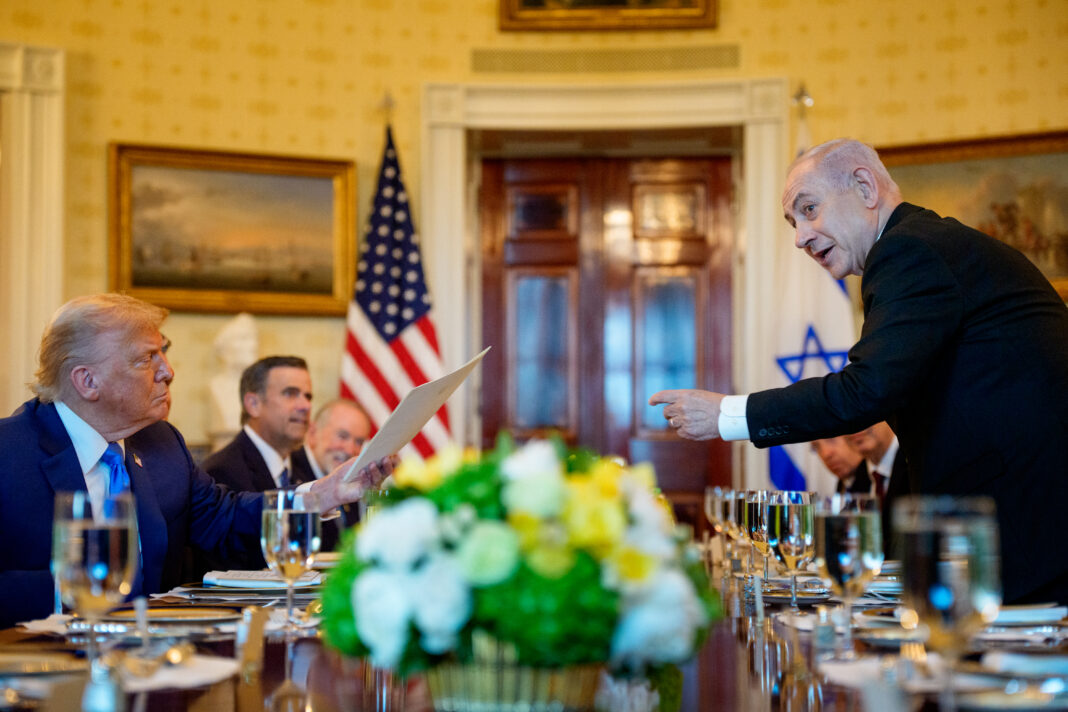 Thủ Tướng Benjamin Netanyahu (phải) của Israel trao cho Tổng Thống Donald Trump lá thư mà ông gửi tới Ủy Ban Giải Nobel Hòa bình để đề cử ông Trump cho giải thưởng này tại Toà Bạch Ốc vào Tháng Bảy, 2025.
 "Hành vi của anh ta rất kỳ lạ. Anh ta hay thực hiện các nghi lễ tôn giáo không giống ai tại chỗ làm, cầu nguyện suốt ngày và từ chối bắt tay với phụ nữ".
Trang Sách Hiếm
| ©2012 |