|
Sách hiếm - cho đến khi được phổ biến ở các nơi mà "thánh kinh" có mặt. | |||||||||
|

|
| |||||||||
|
Tìm chữ | |||||||||
|
| |||||||||
|
| |||||||||
|
Chủ Trương | |||||||||
| Các đề mục : | |||||||||
» Lưu Trữ Theo Ngày Tháng | |||||||||
| » Các bài về Cải Đạo | |||||||||
| » Các Truyền Nhân Của Chúng Tôi | |||||||||
| » Chữ Quốc Ngữ | |||||||||
| » Hồ sơ CIA giải mật | |||||||||
| » Lạm dụng tình dục | |||||||||
| » GHLM: Lịch Sử và Hồ Sơ Tội Ác | |||||||||
| » Vài Danh Sách Cừu Đen | |||||||||
| » Ý Thức Văn Thân Thế Kỷ 21 | |||||||||
|
| |||||||||
| Các tác giả: | |||||||||
| Bùi Kha | |||||||||
| Charlie Nguyễn | |||||||||
| Hoàng Nguyên Nhuận | |||||||||
| Hoành Linh Đỗ Mậu | |||||||||
| Lý Thái Xuân | |||||||||
| Nguyễn Đắc Xuân | |||||||||
| Nguyễn Mạnh Quang | |||||||||
| Nguyễn Văn Thịnh | |||||||||
| Nguyễn Văn Thọ | |||||||||
| Thiên Lôi | |||||||||
| Trần Chung Ngọc | |||||||||
| Trần Tiên Long | |||||||||
| Trần Trọng Sỹ | |||||||||
| Các tác giả thân hữu | |||||||||
| |||||||||
| |||||||||
|
| |||||||||
|
Các trang bạn | |||||||||
|
▬ Các kênh Youtubes: ▬ Các Facebooks: ▬ Các websites: | |||||||||
|
Tranh cãi- Triều Tiên có lí do để tự vệ bằng bất kỳ giá nào,
Subject: ***_Tại_sao_Triều_Tiên_kiên_ quyết_làm_vũ_khí_hạt_nhân_?_
From: Mike Wilson
Date: Fri, April 28, 2017 9:52 pm
Đây là những lí do chính :
1. Hai miền Hàn-Triều vẫn ở trong tình trạng chiến tranh,
với Mỹ đóng quân tại Hàn quốc,
và chỉ huy mọi chiến dịch của Hàn quốc khi hai phe lâm chiến.
2. Mỹ đã đơn phương tự ý, kể từ 1958,
đặt đầu đạn hạt nhân tại Hàn, có khi lên tới 950 đầu đạn !
3. Mặc dù sau 33 năm,
Mỹ đã tự ý rút vũ khí hạt nhân khỏi đất Hàn, cuối năm 1991,
nhưng Mỹ vẫn có vũ khí hạt nhân trong các tàu ngầm
để đe dọa Triều Tiên từ ngoài khơi bán đảo Hàn-Triều
4. Mỹ tiếp tục đe dọa TT hàng năm
bằng các cuộc tập trận lớn, ngay sát Triều Tiên
song song với đe dọa đánh cắt đầu, phủ đầu,
tiêu diệt lãnh đạo TT và tiềm lực quân sự TT
5. không những đe dọa TT,
Mỹ còn chặt đầu chế độ Qaddafi của Lybia,
sau khi nước này nghe lời dụ dỗ của Mỹ,
từ bỏ chương trình vũ khí hạt nhân
để đổi lấy làm ăn hòa bình với Mỹ và EU !
6. Mỹ không bao giờ đảm bảo
cho chủ quyền độc lập tự quyết của Triều Tiên,
và quan trọng hơn,
quyền độc lập tự quyết của hai miền Hàn - Triều
bàn việc thống nhất trong hòa bình
mà không có Mỹ can dự, phá bĩnh !
Điều kiện tiên quyết để thống nhất hai miền,
là Mỹ phải rút quân vô điều kiện khỏi Hàn quốc,
ký hiệp ước kết thúc chiến tranh Hàn-Triều,
đảm bảo quyền độc lập tự quyết của hai miền và của dân tộc ấy,
và rút chiến hạm, tàu ngầm Mỹ ra khỏi tầm ngắm bán đảo này .
7. Dựa trên các sự kiện có thật nêu trên,
Triều Tiên có lí do để tự vệ
bằng bất kỳ giá nào,
dù LHQ bị Mỹ và EU thao túng,
dù Mỹ và EU bao vây cấm vận Triều Tiên,
nay dọa đánh, mai dọa đánh nó !
Nếu Trump phát động chiến tranh trên bán đảo Hàn-Triều
thì máu của hàng triệu sinh linh hai miền Hàn - Triều
sẽ bám đổ trên tay, trên đầu, trên mặt của Donald Trump và nước Mỹ !
thế gian đang bị thao túng
bởi những thằng chính trị hạng bét, giả đạo, vô nhân đạo !
các hãng thông tấn Mỹ tuyên truyền một chiều,
hiếm khi cho biết toàn cảnh của vấn đề .
nth-fl
_______________________________
Tactical Nuclear Weapons and Korea - The Center for Arms Control and Non-Proliferation
https://armscontrolcenter.org/tactical-nuclear-weapons-and-korea/
History: U.S. Nuclear Weapons in Korea
The United States deployed nuclear weapons to South Korea in 1958 as part of Eisenhower’s strategy of “massive retaliation,” and built up its stockpiles there for decades. At its height the deployment is believed to have been as high as 950 warheads.
U.S. nuclear weapons were stationed in the South for 33 years until their complete withdrawal in December 1991. This was the result of President George H.W. Bush’s Presidential Nuclear Initiatives to withdraw all overseas tactical nuclear weapons with the exception of a number of bombs stationed in NATO countries.
The weapons were removed from Korea because the U.S. military decided they were no longer necessary to defend South Korea, and to help facilitate the 1992 Joint Declaration on the Denuclearization of the Korean Peninsula in which the two Koreas agreed not to test, produce, manufacture, possess, receive, store, deploy or use nuclear weapons.
U.S. Motivations and Intentions
It is unclear what exactly prompted Samore to up the ante on tactical nuclear weapons. Some observers immediately wondered whether his remarks reflected Washington’s true position despite its public rhetoric. But most speculate it was either a message to China, or a reassuring message to its South Korean and Japanese allies of U.S. commitment.
Samore did, however, stress that tactical nuclear weapons would only serve a symbolic – not military or strategic – purpose. He also stated that America’s considerable nuclear capability in nearby U.S. navy submarines and on military bases as sufficient to defend the South. Some believe that North Korea fears the U.S.’ overwhelming conventional superiority more than America’s nuclear weapons.
The more likely scenario is that Samore intended his remarks to serve as a tactic to prod China in persuading the North to surrender its nuclear programs. The Korean paper quoted Samore as stating that Beijing would use its diplomatic leverage to dismantle Pyongyang’s nuclear weapons programs in order to prevent the redeployment of U.S. tactical nuclear weapons. However, Samore did not offer evidence to support this contention. Some experts believe that Beijing will not be fazed by the reintroduction of U.S. tactical nuclear weapons in Korea, arguing that it would not threaten Chinese interests since Beijing is already surrounded by nuclear armed states. Other experts, meanwhile, believe that U.S. nuclear weapons in Korea would in fact move Beijing.
The Debate
The issue of tactical nuclear weapons warrants an understanding of key arguments from both sides of the debate:
Opposition. Staunch opposition largely comes from the U.S. military, the U.S. arms control community, and many in South Korea. Opponents argue that it makes no geopolitical or financial sense to redeploy tactical nuclear weapons to Asia for the following reasons:
American nuclear ballistic missile submarines on patrol in the Pacific and U.S. conventional forces based in Japan are more than sufficient to deter North Korea.
There are no military scenarios on the Korean peninsula in which the use of tactical nuclear weapons (or even a strategic nuclear weapon) would be an attractive option for South Korea.
The U.S. Navy and Air Force have no desire to redeploy tactical nuclear weapons to South Korea. In 2010 the U.S. decided to retire the nuclear Tomahawk Land Attack Missile (TLAM-N), an archaic non-strategic nuclear weapon that the U.S. navy says it no longer needs.
The redeployment of tactical nuclear weapons on South Korean soil would likely prompt strong public opposition.
Redeployment could derail the Six Party process, grant Pyongyang de facto recognition as a nuclear weapons state, and further incentivize the North to build up its nuclear stockpiles. Some even fear Beijing would react negatively.
The measure of the U.S. commitment to South Korea’s security depends on a lot more than the number and kinds of nuclear weapons the U.S. deploys. Proponents of redeploying tactical nuclear weapons to South Korea are relying on them as a crutch to avoid a discussion about the right mix of military and diplomatic capabilities that best address South Korea’s current threat environment.
At a time when the United States is trying to de-emphasize the role of nuclear weapons and forestall their proliferation, it would be immensely counterproductive to redeploy nuclear weapons to a country that has seen their removal.
In South Korea, those against redeployment argue that it would violate denuclearization efforts on the Korean Peninsula, and that U.S. forces based in Japan and naval submarines on patrol are sufficient. They also claim that it would provide a pretext for Pyongyang’s demands for U.S.-North Korea nuclear arms reduction negotiations.
Some opponents point out a difference in threat perception. They argue that the threat of a North Korean conventional or biological weapons attack is far more likely than the chances of a nuclear attack, and that nuclear weapons are irrelevant in deterring such threats.
Support. Demands by a few South Korean politicians and academics for the redeployment of U.S. tactical nuclear weapons resurfaced after Pyongyang’s nuclear tests in 2006 and 2009. Such calls gained momentum following the sinking of the Cheonan, the shelling of Yeonpyeong Island and the disclosure of Pyongyang’s pilot uranium enrichment facility in 2010.
The fundamental basis for redeployment is the growing North Korean nuclear threat. Key arguments by advocates are as follows:
There is an imbalance of power between a nuclear-armed North Korea and a nuclear free South Korea.
Diplomacy has failed in dismantling Pyongyang’s nuclear programs.
U.S. tactical nuclear weapons will add credibility to the U.S. deterrent and encourage Beijing to place more pressure on North Korea.
U.S. leverage to counter the North’s nuclear threat is questionable, and it is unclear whether Washington would have the political will and capital to enter into a military conflict in the event of a North Korean attack on the South.
Tactical nuclear weapons would deter Pyongyang from unleashing provocations in the future.
Therefore, advocates conclude that the only remaining option is to go “nukes for nukes” to balance the North Korean threat and to prevent Pyongyang from further military provocations against the South. They argue that the U.S. should redeploy tactical nuclear weapons and then negotiate mutual, simultaneous arms reductions with Pyongyang.
Some advocates understand that tactical nuclear weapons serve no strategic purpose, but still argue that the symbolic gesture is enough to send a clear message to and deter the North.
One option proposed by non-government experts is a dual track policy in which the negotiations for North Korea’s nuclear dismantlement continue until a preset deadline after which U.S. tactical nuclear weapons would be redeployed if the parties fail to resolve the issue by the deadline.
To Redeploy or Not to Redeploy
Returning tactical nuclear weapons to the Korean Peninsula is not feasible in the current political climate. Senior U.S. government and military officials have made that clear. Redeployment would fly in the face of the Obama administration’s arms control, disarmament, and non-proliferation policies. It appears highly unlikely that Seoul would initiate a discussion on the topic as well. It would also contradict South Korea’s position and reputation as a leader on denuclearization and non-proliferation.
However, variables that could alter the current picture include the possible election of a more conservative leadership in the U.S. and South Korea, an unforeseen drastic shift in the policy of the allies’ incumbent administrations, a change in regional geopolitics, and/or future North Korean behavior.
Given that the redeployment of tactical nuclear weapons is likely a non-starter for both political and military reasons in the current climate, the U.S. and South Korea should in the meantime continue to 1) strengthen their security and political relationship through closer consultations, and 2) actively work to resolve the North Korean nuclear problem without further delay.
Engaging in consultations on security cooperation, particularly in the areas of missile defense and conventional deterrence, could be a practical way to strengthen the political relationship and strengthen the credibility of U.S. reassurance. The Extended Deterrence Policy Committee established between Washington and Seoul in December 2010 is a natural venue for such discussions. A joint communiqué after the 42nd U.S.-ROK Security Consultative Meeting in October 2010 “reaffirmed the continued U.S. commitment to provide and strengthen extended deterrence for the ROK, using the full range of military capabilities, to include the U.S. nuclear umbrella, conventional strike, and missile defense capabilities.” Washington could also provide Seoul with more information about U.S. strategic nuclear forces in joint committee meetings.
The issue of redeploying tactical nuclear weapons is rooted in North Korea’s nuclear ambitions. It is unclear how the tide will change if the nuclear dilemma finds no solution and in the post-Kim Jong-il era, which makes it imperative to resolve the North Korean nuclear problem.
| Đó đây |
|
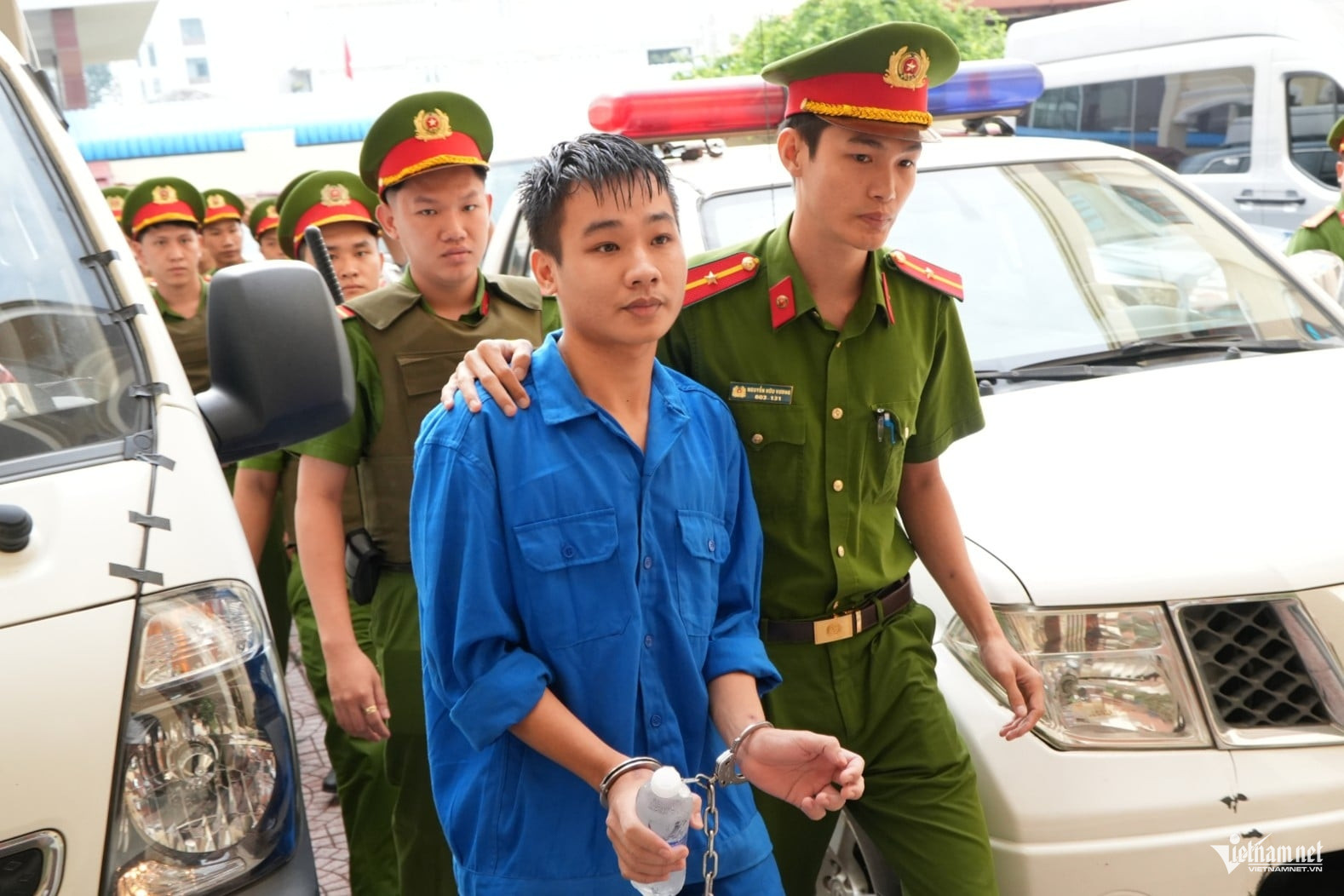
2026-10-11 - Toàn cảnh vụ thảm án khiến ba mẹ con tử vong ở Đồng Nai - Sau khi chia tay, Nguyễn Đức Anh mang dao tìm đến nhà người yêu cũ để trả thù. Không vào được nhà, Đức Anh trèo sang tấn công gia đình hàng xóm khiến 3 người tử vong, 1 người bị thương nặng.
2026-10-10 - Chào mừng giải phóng Thủ đô: Đại tiệc pháo hoa nghệ thuật và trải nghiệm đỉnh cao - Hướng tới kỷ niệm 72 năm Ngày Giải phóng Thủ đô (10/10/1954 – 10/10/2026), Hà Nội sẽ trở thành tâm điểm rực rỡ với chuỗi hoạt động văn hóa, nghệ thuật, thể thao và du lịch quy mô lớn.
2026-10-10 - Mãn nhãn với màn pháo hoa lộng lẫy mừng 72 năm Giải phóng Thủ đô - Pháo hoa rực rỡ sắc màu đã thắp sáng bầu trời Hà Nội trong đêm 10/10, thu hút đông đảo người dân tới chiêm ngưỡng.
2026-10-10 - Trump trừng phạt Tòa Hình Sự Quốc Tế sau khi cựu chánh án đoạt Nobel Hòa Bình - Ngoại Trưởng Marco Rubio tuyên bố Mỹ sẽ ngăn cấm giao dịch với ICC, cắt nguồn lực và hạn chế khả năng hoạt động của tòa nhằm bảo vệ công dân Mỹ trước những cuộc truy tố
2026-10-06 - Nữ tử tù sống lại sau 2 lần tiêm thuốc độc: Tiếng ngáy khiến cả nhà tù hỗn loạn - 2026-10-03 - Một thảm họa hàng không xém đã xảy ra vì "cơ phó" được nhận xét là cuồng tín - Cơ phó người Oman của hãng hàng không Flydubai đã dùng hung khí tấn công cơ trưởng nhằm giành quyền kiểm soát buồng lái khi đang trong chuyến bay sáng 30/9 từ Dubai, (UAE) đến Tel Aviv, Israel.
2026-10-03 - Giờ mới biết cô Linh Trần là ai! - 2026-10-03 - Biểu tình Linh Trần, Cờ vàng thất thủ. Ai đã xúc phạm Cờ đỏ? - 2026-09-29 - Khởi tố 3 đối tượng là thành viên của tổ chức khủng bố "Việt Tân" - Tối 28/9, Bộ Công an cho biết vào hồi 21 giờ 50 phút ngày 18/9/2026, Đồn Biên phòng cửa khẩu Mỹ Quý Tây, tỉnh Tây Ninh phát hiện, bắt quả tang 3 đối tượng đang nhập cảnh trái phép vào Việt Nam từ biên giới Campuchia 2026-09-20 - Đại Biểu Quốc Hội Thẳng Thắn Đạt Vấn Đề Chi Tiết Về Sách Giáo Khoa -
|
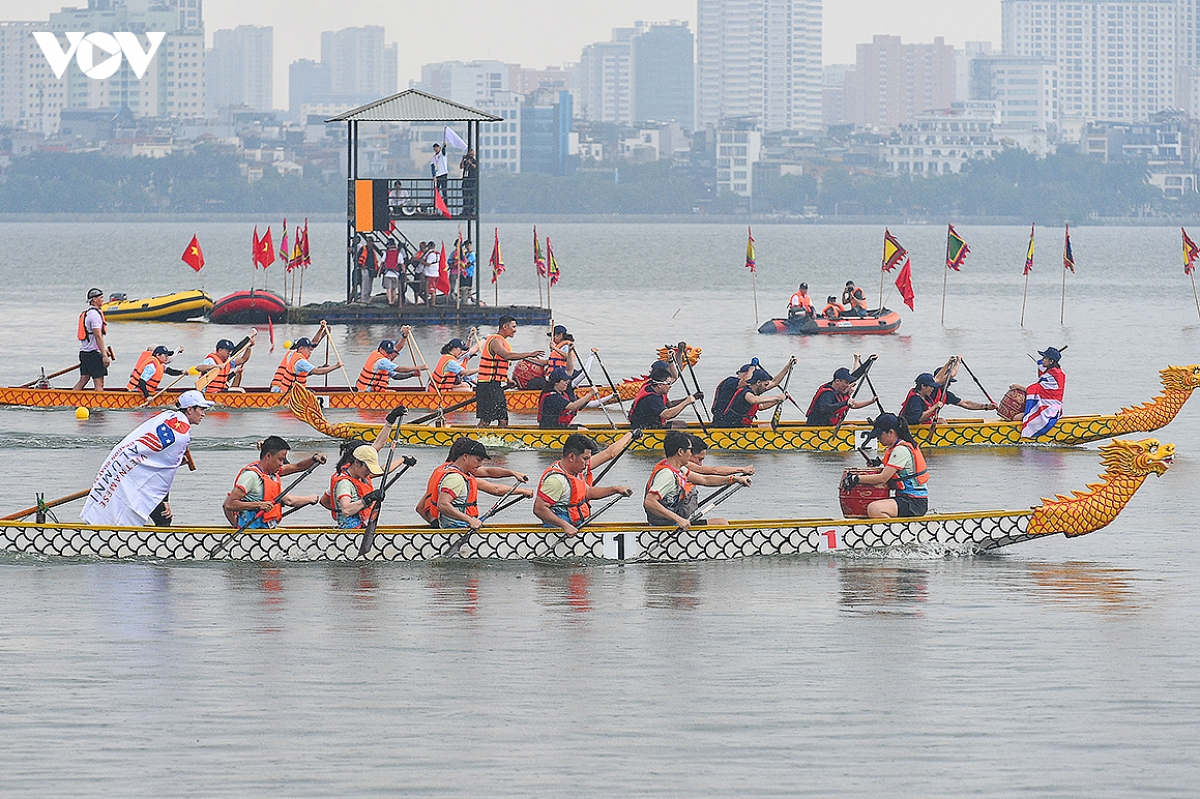 Điểm nhấn được chờ đợi là màn trình diễn pháo hoa nghệ thuật tầm cao kết hợp âm nhạc bùng nổ vào đêm 10/10
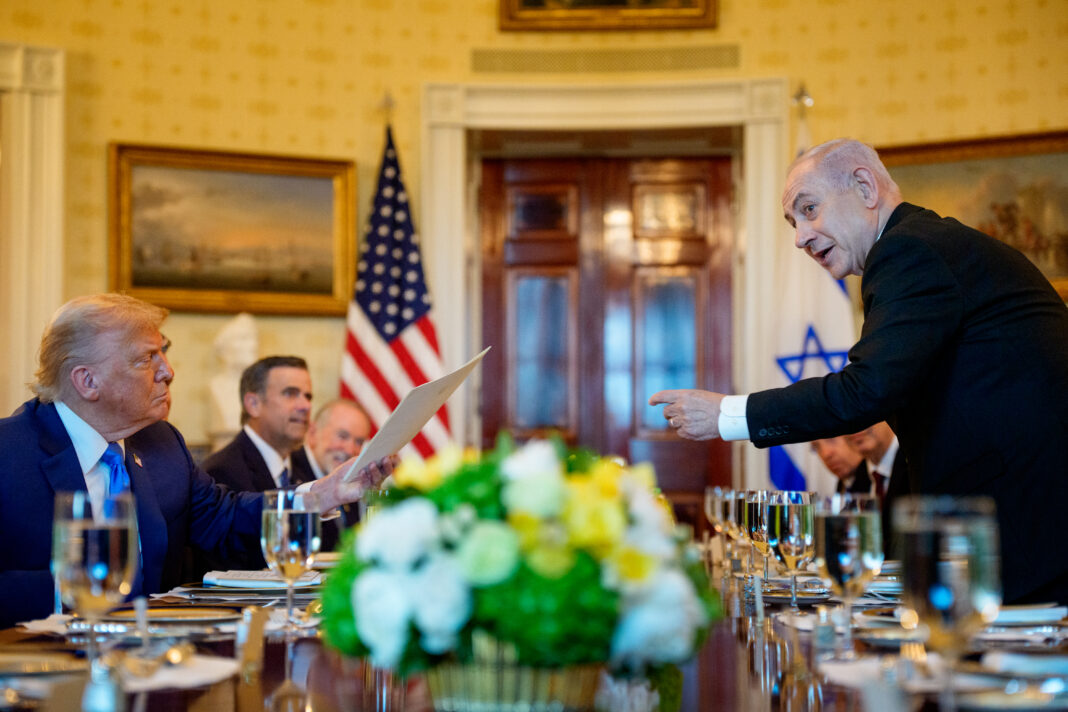 Thủ Tướng Benjamin Netanyahu (phải) của Israel trao cho Tổng Thống Donald Trump lá thư mà ông gửi tới Ủy Ban Giải Nobel Hòa bình để đề cử ông Trump cho giải thưởng này tại Toà Bạch Ốc vào Tháng Bảy, 2025.
 "Hành vi của anh ta rất kỳ lạ. Anh ta hay thực hiện các nghi lễ tôn giáo không giống ai tại chỗ làm, cầu nguyện suốt ngày và từ chối bắt tay với phụ nữ".
Trang Sách Hiếm
| ©2012 |