|
Sách hiếm - cho đến khi được phổ biến ở các nơi mà "thánh kinh" có mặt. | |||||||||||
|

|
| |||||||||
|
Tìm chữ | |||||||||
|
| |||||||||
| | |||||||||
|
Chủ Trương | |||||||||
| Các đề mục : | |||||||||
» Lưu Trữ Theo Ngày Tháng | |||||||||
| » Các bài về Cải Đạo | |||||||||
| » Các Truyền Nhân Của Chúng Tôi | |||||||||
| » Chữ Quốc Ngữ | |||||||||
| » Hồ sơ CIA giải mật | |||||||||
| » Lạm dụng tình dục | |||||||||
| » GHLM: Lịch Sử và Hồ Sơ Tội Ác | |||||||||
| » Vài Danh Sách Cừu Đen | |||||||||
| » Ý Thức Văn Thân Thế Kỷ 21 | |||||||||
|
| |||||||||
| Các tác giả: | |||||||||
| Bùi Kha | |||||||||
| Charlie Nguyễn | |||||||||
| Hoàng Nguyên Nhuận | |||||||||
| Hoành Linh Đỗ Mậu | |||||||||
| Lý Thái Xuân | |||||||||
| Nguyễn Đắc Xuân | |||||||||
| Nguyễn Mạnh Quang | |||||||||
| Nguyễn Văn Thịnh | |||||||||
| Nguyễn Văn Thọ | |||||||||
| Thiên Lôi | |||||||||
| Trần Chung Ngọc | |||||||||
| Trần Tiên Long | |||||||||
| Trần Trọng Sỹ | |||||||||
| Các tác giả thân hữu | |||||||||
| |||||||||
| |||||||||
|
| |||||||||
|
Các trang bạn | |||||||||
|
▬ Các kênh Youtubes: ▬ Các Facebooks: ▬ Các websites: | |||||||||
|
website hit counter
|
Gót chân Achilles của hệ thống đa đảng Mỹ: Việc biểu quyết lấy phiếu tại Hạ Viện Mỹ gần nhÆ
From: Mike Wilson [mailto:wilsonaca@hotmail.com]
Sent: Friday, July 31, 2015 9:59 AM
Subject: ** gót chân tử huyệt, Achilles heel, của hệ thống đa đảng của Mỹ
Có những phần tử cực đoan trong đảng Cộng Hòa Mỹ
không muốn hai đảng thỏa hiệp dễ dàng và nhanh chóng để thông qua và thi hành các chính sách quốc gia !
Điều này làm tê liệt hệ thống chính trị Mỹ .
Từ trước tới nay, các chính trị gia vẫn đồng ý rằng những việc tu bổ hạ tầng, cầu đường, sân bay, v.v. là tốt cho mọi người (nên dễ thông qua chấp thuận các ngân khoản.
Ngày nay, ngay cả việc đổ móng xi măng, làm nền, dọn lối đi,... cũng bị ngăn chận vì những cuộc tranh cãi về ý hệ kỳ quặc nữa.
Ngay cả việc biểu quyết lấy phiếu tại Hạ Viện Mỹ cũng phải làm gần như lén lút, khi có ít đại biểu,
và lấy quyết định theo lối "ừ ừ ào ào" cho xong (voice votes) thay vì phải điểm danh và đếm từng phiếu từ từng cá nhân đại biểu và ghi chép từng phiếu của mỗi cá nhân
Vì trong những quyết định khó khăn và đầy mâu thuẫn, thì các đại biểu của đảng Cộng Hòa sợ bị kiểm phiếu công khai,
- sợ bị cử tri ghét bỏ - do hiện tượng phân cực ý hệ quá độ ngay trong đám cử tri của đơn vị mình !
Ngay cả cái việc đếm phiếu từng đại biểu cho chính xác mà cũng không làm được, và không dám làm, vì sợ chống phá trong nội bộ đảng
- thì dân chủ chỗ nào ? dân nào làm chủ ? ai làm chủ dân ?!
Chính chia rẽ phân cực, góp phần vào hiện tượng hỏng hóc và tê liệt
của hệ thống chính trị Mỹ !
Đây là gót chân tử huyệt, Achilles heel, của hệ thống đa đảng của Mỹ .
Ai giỏi, thử ra tay cứu nạn, xem sao ...?!
nth-fl
______________________
E.J. Dionne Jr.: Beating up on Boehner
The compromise-is-treason faction strikes again
July 31, 2015 12:00 AM
By E.J. Dionne Jr., The Washington Post
If you wonder why Congress is so feeble these days that it can’t even find a simple way to pass a transportation bill, look no further than Rep. Mark Meadows, R-N.C., who proffered a little resolution on Tuesday night to oust John Boehner from the speakership.
The move was quickly dismissed by Boehner loyalists as showboating by a second-term member, and Mr. Meadows himself said he might not even seek a vote on his own measure. His hope is to provoke a “family conversation” among Republicans.
It’s a heck of a dysfunctional family. The GOP these days may have its advantages on the Lannisters of “Game of Thrones” fame, but it’s a very long way from the Brady Bunch.
Perhaps by crushing Mr. Meadows’ insurrection, which many of even the most rebellious right-wing Republicans thought was ill-timed, Mr. Boehner will strengthen his hand. The more likely outcome is that this resolution to “vacate the chair” will once again remind Mr. Boehner of the nature of the party caucus over which he presides. I use “preside” rather than “lead” precisely because his difficulty in leading these folks is the heart of his problem.
The House GOP (and this applies more than it once did to Senate Republicans as well) includes a large and vocal minority always ready to go over a cliff and always ready to burn — fortunately, figuratively — heretical leaders and colleagues. More important, a significant group sympathizes with Mr. Boehner privately but is absolutely petrified that having his back when things get tough will conjure a challenge inside the party by conservative ultras whose supporters dominate its primary electorate in so many places.
This means that Republicans have to treat doing business with President Barack Obama and the Democrats as something bordering on philosophical treason. Yes, on trade, where Mr. Obama’s position is relatively close to their own, they will help the president out. But it’s very hard to find many other issues of that sort.
Politicians of nearly every kind used to agree that building roads, bridges, mass-transit projects and airports was good for everybody. Now, even pouring concrete and laying track can be disrupted by weird ideological struggles.
The text of Mr. Meadows’ anti-Boehner resolution is revealing. He complains that the speaker has “caused the power of Congress to atrophy, thereby making Congress subservient to the Executive and Judicial branches, diminishing the voice of the American people.” Actually, Congress has done a bang-up job of blocking Mr. Obama’s agenda since Republicans won control of the House in 2010. How, short of impeachment, is it supposed to do more to foil the man in the White House?
Mr. Meadows also hits Mr. Boehner for “intentionally” seeking voice votes (as opposed to roll calls) on “consequential and controversial legislation to be taken without notice and with few Members present.” He has a point. But since so many Republicans are often too timid to go on the record for the votes required to keep government moving — they don’t want to be punished by Mr. Meadows’ ideological friends — Mr. Boehner does what he has to do.
On the other hand, Mr. Meadows’ charge that Mr. Boehner is “bypassing the majority of the 435 Members of Congress and the people they represent” is absolutely true.
But the logic of this legitimate protest is that Mr. Boehner should allow many more votes on the floor in which a minority of Republicans could join with a majority of Democrats to pass legislation, thereby reflecting the actual will of the entire House. If Mr. Boehner had done this with immigration reform, it would now be a reality. Mr. Boehner didn’t do it precisely because he worried about what Republicans of Mr. Meadows’ stripe would do to him.
Mr. Meadows’ move bodes ill for the compromising that will be required this fall to avoid new crises on the debt ceiling and the budget. Republicans already faced difficulties on this front before the “vacate the chair” warning shot, as Washington Post blogger Greg Sargent noted Wednesday.
And Rep. Walter B. Jones, R-N.C., another Boehner critic, reacted to the resolution by invoking the Lord Voldemort all Republicans fear. Mr. Jones expressed the hope that “the talk-show hosts who are so frustrated would pick up on this thing and beat the drum.” It’s enough to ruin a speaker’s summer.
Republicans are talking a good deal about the threat to their brand posed by Donald Trump’s unplugged, unrestrained appeal to the party’s untamed side. The bigger danger comes from a Republican Congress that is having a lot of trouble getting that governing thing down.
E.J. Dionne is a syndicated columnist for The Washington Post (ejdionne@washpost.com).
| Đó đây |
|
2026-01-15 - Thời sự thế giới 15/1: Nga - Mỹ đã chốt, Ukraine ngỡ ngàng; Ông Zelensky ban bố tình trạng khẩn cấp - 2026-01-15 - Tổng thống Mỹ ca ngợi lãnh đạo lâm thời Venezuela "tuyệt vời" - "Chúng tôi vừa có cuộc nói chuyện rất tốt, bà ấy là người tuyệt vời", Tổng thống Mỹ Donald Trump nói với phóng viên tại Nhà Trắng ngày 14/1 khi thông báo về cuộc điện đàm với
2026-01-14 - Ông Vương Tấn Việt, trụ trì chùa Phật Quang kiện đòi hơn 71.000 m2 đất - (NLĐO)- Ký vào biên bản bàn giao đất cho các tăng ni chùa Phật Quang nhưng sau đó cho rằng bị ép buộc nên ông Vương Tấn Việt đã khởi kiện ra tòa để đòi lại! (Chùa Phật Quang do ông Thích Chân Quang làm trụ trì có 35 công trình xây dựng không phép)
2026-01-13 - Đức Trinh Nữ Maria KHÔNG phải là Đấng Đồng Cứu Chuộc! Giáo hoàng Leo và Tòa thánh Vatican vừa vạch ra một ranh giới rà - 2026-01-11 - TPHCM: Tranh chấp tài sản chung, "bỏ quên" vai trò cộng đồng! - TP Hồ Chí Minh vừa xét xử phúc thẩm vụ “tranh chấp đòi lại tài sản là quyền sử dụng đất” giữa ông Vương Tấn Việt và một số bị đơn tại xã Châu Pha, TP HCM, đã khép lại bằng phán quyết buộc giao trả 71.763m² đất cho nguyên đơn.
2026-01-09 - Đưa tác phẩm "Nỗi Buồn Chiến Tranh" ra khỏi danh sách bình chọn 50 tác phẩm văn học, - Ngày 07/01/2026, Bộ Văn hóa, Thể thao và Du lịch nhận được Thư của nhà văn Bảo Ninh. Bộ đã giao cho các đơn vị chức năng của Bộ gặp gỡ, trao đổi, lắng nghe ý kiến của nhà văn Bảo Ninh 2026-01-07 - Nội dung bạn đang xem đến từ website gdptangiang.vn - Thật bất ngờ, người này nói Phật giáo Việt Nam (PGVN) có năm ưu điểm căn bản mà đạo Thiên Chúa ở Việt Nam không có được.
2026-01-07 - THÍCH CHÂN QUANG - TỪ VINH QUANG ĐẾN SỤP ĐỔ - TỨ ĐẠI MA TĂNG - 2026-01-06 - THÍCH CHÂN QUANG - TỪ VINH QUANG ĐẾN SỤP ĐỔ - TỨ ĐẠI MA TĂNG - 2026-01-06 - Chỉ có các "cá nhân" thuộc Thiên Chúa Giáo La mã ủng hộ việc Mỹ làm ở Venezuela! -
|
 Tổng thống lâm thời Venezuela Delcy Rodriguez. Đây dường như là lần đầu tiên lãnh đạo Mỹ và Venezuela đối thoại trực tiếp sau vụ Washington tiến hành chiến dịch tập kích,
  Theo trình bày của nguyên đơn, việc ký kết này diễn ra trong bối cảnh bị ép buộc; đồng thời các bị đơn đã lấy đi 4 giấy chứng nhận quyền sử dụng đất (sổ đỏ) đứng tên ông Việt....
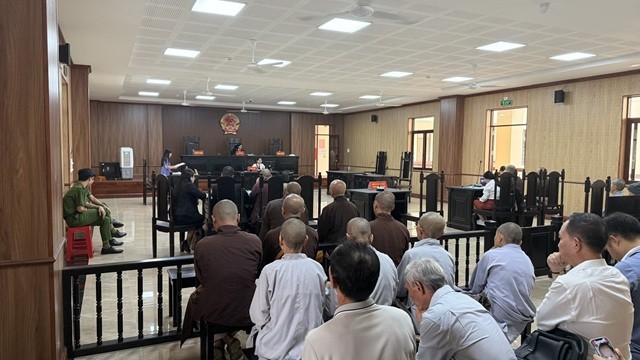 Một trong những điểm gây tranh cãi gay gắt nhất trong vụ án tranh chấp gần 72.000m² là: mảnh đất đó thực sự là tài sản cá nhân hay tài sản hình thành từ sinh hoạt tôn giáo, công sức cộng đồng?
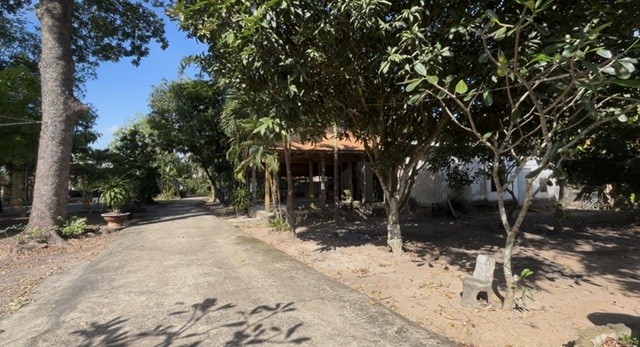 Văn bản số 290/TB.CAT(PV24) ngày 08/11/2010 của Công an tỉnh Bà Rịa – Vũng Tàu (cũ) từng xác định: “Số tài sản mà nhóm tu sĩ mang đi là tài sản chung của chùa do bá tánh đóng góp… các tu sĩ đều là thành viên của chùa…”
 1 Ưu điểm thứ nhất: độc lập, thuần túy, tự lập, ngay thẳng
2 Ưu điểm thứ hai: tu sĩ PGVN sống đạo đức
3 Ưu điểm thứ ba: PGVN không bị thế lực bên ngoài chi phối
4 Ưu điểm thứ tư: PGVN không cấu kết với ngoại bang để làm tổn hại đất nước và nhân dân mình
5 Ưu điểm thứ năm: PGVN không có chủ trương "đặt thần quyền lên trên thế quyền".
1 Ưu điểm thứ nhất: độc lập, thuần túy, tự lập, ngay thẳng
2 Ưu điểm thứ hai: tu sĩ PGVN sống đạo đức
3 Ưu điểm thứ ba: PGVN không bị thế lực bên ngoài chi phối
4 Ưu điểm thứ tư: PGVN không cấu kết với ngoại bang để làm tổn hại đất nước và nhân dân mình
5 Ưu điểm thứ năm: PGVN không có chủ trương "đặt thần quyền lên trên thế quyền".
Trang Sách Hiếm
| ©2012 |